
Swimming Technique
Why Do I Sink When I Try to Float?
Understanding Buoyancy in Swimming
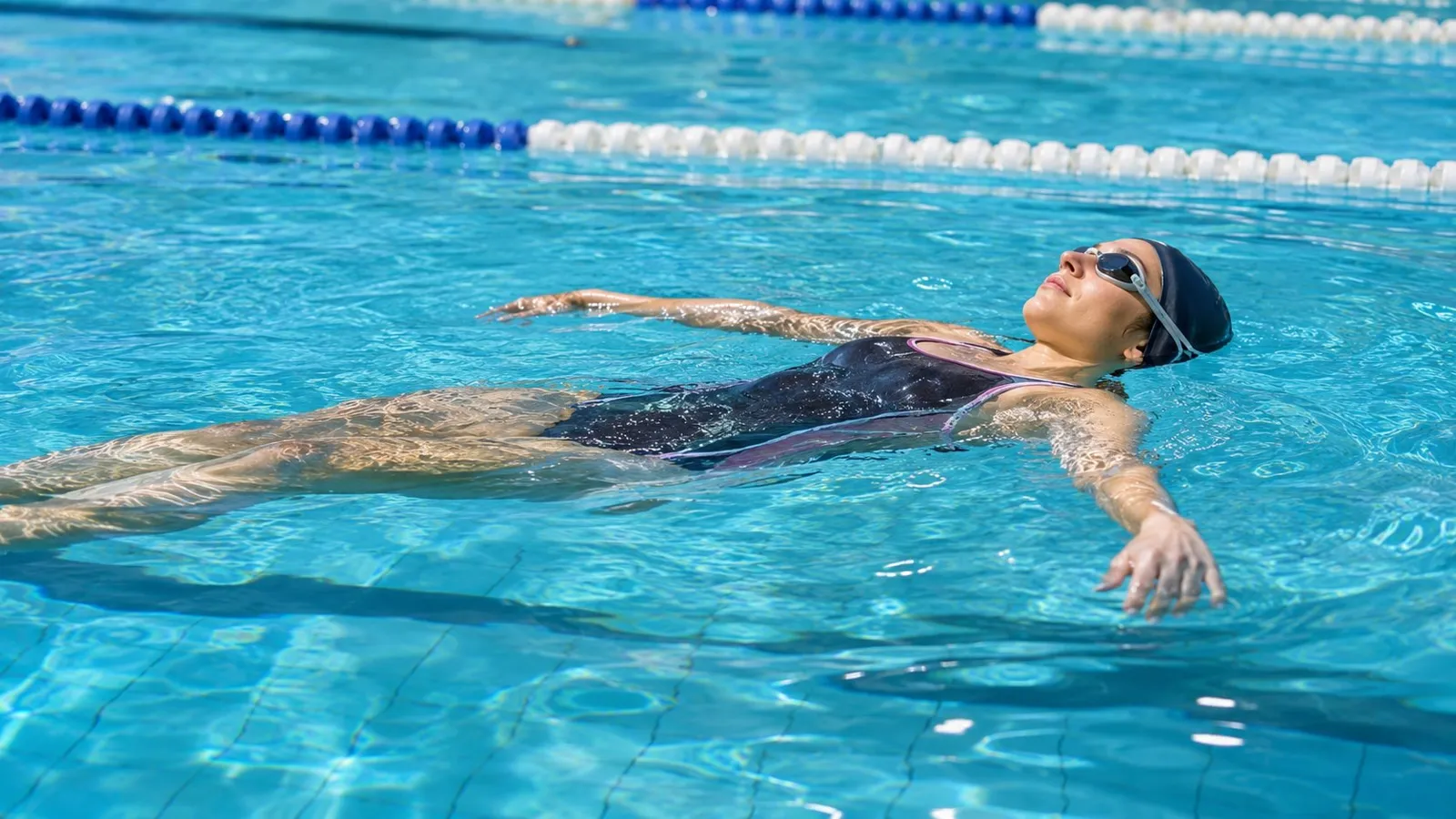
Have you ever tried floating in a swimming pool, only to feel your legs slowly sinking toward the bottom? Meanwhile, the swimmer next to you seems to float effortlessly.
It's one of the most common frustrations in swimming, and it affects everyone from beginners to experienced triathletes.
The good news is that sinking legs do not necessarily mean you are a bad swimmer. Understanding how your body interacts with the water can help you improve your balance, reduce resistance and become a more efficient swimmer.
1. Your Body Composition Affects Your Buoyancy
Not everyone floats the same way.
Muscle and bone are generally denser than water, while body fat is less dense. Swimmers with greater muscle mass and lower body fat may find floating more challenging.
This is particularly common among athletes transitioning into swimming from running, cycling or strength training.
However, natural buoyancy does not determine how successful you can become as a swimmer. Proper technique, balance and body positioning can help compensate for differences in buoyancy.
2. Your Lungs Act Like a Flotation Device
The air inside your lungs contributes significantly to your buoyancy.
Because your lungs are located in your upper body, your chest tends to float more naturally than your hips and legs. This creates an imbalance that can cause your lower body to sink.
You may also notice that your body sinks slightly as you exhale.
Learning to maintain a comfortable, controlled breathing rhythm can help you stay relaxed and balanced in the water.
Avoid deliberately holding your breath for extended periods or hyperventilating before swimming.
3. Your Head Position Is Affecting Your Legs
One of the most common technical mistakes in freestyle swimming is lifting the head too high.
Think of your body as a seesaw. When you lift your head, your hips and legs often move downward to compensate.
This creates additional resistance, making swimming more physically demanding than it needs to be.
When swimming freestyle:
- Keep your head in a neutral position.
- Direct your eyes primarily toward the bottom of the pool.
- Relax your neck and shoulders.
- Maintain a long, balanced body position.
A small adjustment in head position can make a noticeable difference in your swimming efficiency.
4. You Are Creating Too Much Tension
Many swimmers instinctively tighten their muscles when they feel themselves sinking.
They begin kicking harder, lifting their head and fighting against the water. Unfortunately, these reactions can disrupt body alignment and waste valuable energy.
Instead of trying to force yourself to the surface, focus on relaxing your shoulders, breathing comfortably and finding a stable body position.
The goal is not to fight the water but to learn how to work with it.
5. You Are Relying Too Much on Your Kick
A powerful kick is not always the solution to sinking legs.
Many triathletes compensate for poor body positioning by kicking excessively. Although this may temporarily improve their alignment while swimming, it can also increase fatigue and energy expenditure.
An efficient freestyle kick should originate primarily from the hips, with relaxed ankles and natural knee movement.
When your kick works together with your body rotation and arm strokes, it helps maintain balance without demanding unnecessary energy.
For triathletes, this is particularly important because conserving energy during the swim can benefit the cycling and running portions of the race.
How to Improve Your Floating Ability
Try this simple exercise during your next supervised swimming session.
Relaxed Back Float
- Begin in shallow water where you can comfortably stand, with a coach or capable swimming partner nearby.
- Gently lean backward into the water.
- Let your ears settle into the water while keeping your nose and mouth above the surface.
- Extend your arms outward and allow your legs to find a natural position.
- Breathe normally and relax your shoulders.
- Use gentle hand movements if additional support is needed.
Do not worry if your legs sit slightly below the surface. A successful back float does not require your entire body to remain perfectly horizontal.
If you cannot comfortably keep your airway above water, return to standing and practice with a qualified instructor.
Does Floating Poorly Mean You Will Swim Slowly?
Absolutely not.
Floating in a stationary position and maintaining an efficient body position while swimming are two different skills.
Some swimmers who struggle to float naturally can develop excellent freestyle technique through improved alignment, effective propulsion and coordinated movement.
The key is identifying what is causing unnecessary resistance and correcting it through targeted technique work.
Stop Fighting the Water. Start Owning It.
At Race Peak Swimming, our approach focuses on identifying the technical limitations holding back your performance.
Through personalized stroke analysis, targeted swimming drills and structured performance coaching, we help triathletes, competitive swimmers and adult swimmers develop more efficient technique and greater confidence in the water.
Whether you are preparing for your first triathlon, improving your freestyle or trying to break through a swimming plateau, understanding your technique is where progress begins.
Keep learning
Related Articles
Swimming Technique
How Do I Breathe Properly While Swimming Freestyle?
Struggling to catch your breath while swimming? Learn five fundamentals of efficient freestyle breathing and three drills to improve your technique, endurance and confidence.
Race Peak Swimming6 min read
Read ArticleFree consultation
Book your free 15-minute call
No commitment. In-person and virtual swim coaching available.
Book a Free 15-Minute ConsultationRead our Google reviews